
Smarter Reporting Analytics for Radiology Clinics
Radiologists often deal with huge amounts of data that involve PACs (Picture Archiving and Communication Systems), RIS (Radiology Information Systems), billing systems, and many others. So, going through all this manually is difficult and time-consuming. That’s where reporting analytics helps you.
With radiology reporting analytics, you can seamlessly manage clinical data and access real-time metrics instantly.
Adopt PlusRadiology and turn complex imaging data into clear, actionable insights with AI-driven reporting.

Why Reporting Analytics Matters in Radiology
To drive better decisions in Radiology, accurate reporting is essential. Without data insights in PACs and RIS, inefficiencies stay hidden.
PlusRadiology instantly turns raw data into clear, actionable visual reports. It helps you deal with:
Data overload
Easily manage and analyze thousands of daily scans without errors or manual strain.
Accuracy demands
Ensure treatment decisions are backed by precise, highly reliable clinical reporting.
Workflow inefficiencies
Reduce turnaround times and boost productivity by eliminating manual processes.
Compliance needs
Generate structured, secure reports that meet HIPAA and regulatory requirements with ease.
Save hours every day — switch to Smart radiology report generation in PlusRadiology.

All your Reports - in one place
PlusRadiology eliminates the need for multiple tools by bringing every report and feature together on one platform.
It turns medical images into clear, precise insights so you can make faster, more accurate decisions.
- Comparison reports
- Multimedia reports
- Final diagnostic reports
- Preliminary reports
Difficulties faced by radiologists in analyzing reports manually
Unlock deeper insights instantly with our AI-powered imaging analytics solution.
See everything clearly with intelligent radiology dashboard
PlusRadiology centralizes all patient information in one secure, organized platform, giving radiologists a clean, real time view of everything that matters. Its intelligent dashboard presents concise, visual summaries that support faster, more accurate decision making.
Whether you're reviewing a single report or managing hundreds, PlusRadiology gives you clarity where it counts most.


Highlights of Reporting & Analytics
PlusRadiology makes reporting and analytics simple and efficient. With it’s AI radiology reporting, you manage data securely, improve collaboration, and deliver accurate findings.
- Lossless image sharing
- Remote and flexible reporting
- Interactive dashboards
- Export options
- Treatment progress reports
- Customization of reports
- Critical finding alert
Ready to make smarter decisions, faster?
See how PlusRadiology’s analytics and reporting can summarize data, elevate patient decisions, and drive your clinic’s growth.

CLIENT TESTIMONIALS
What our clients say
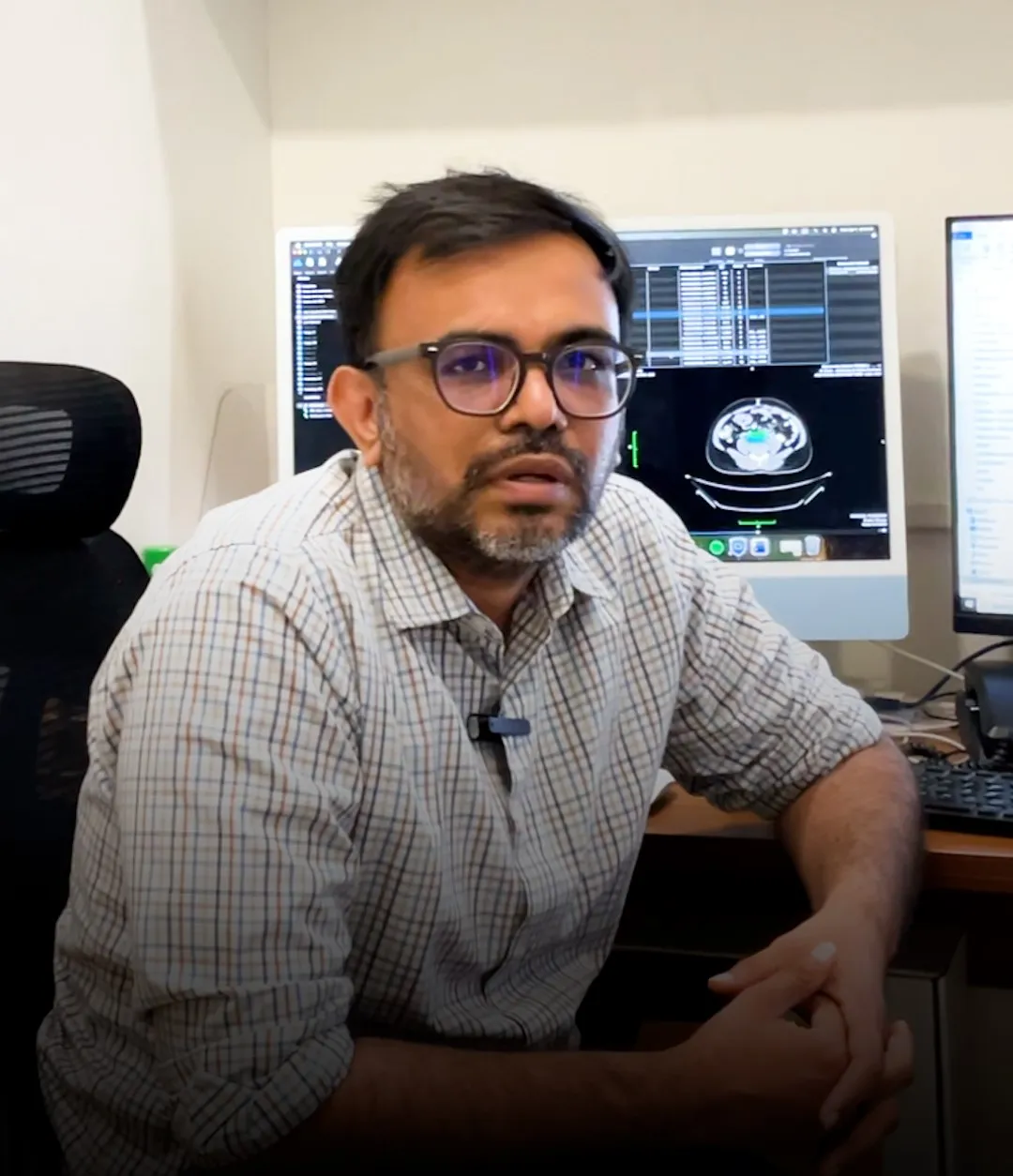
PlusRadiology software is highly efficient and intuitive. I can easily manage patient data alongside their previous medical history and imaging records. It also streamlines different imaging workflows for my diagnostic center. Invoice and report generation for day-to-day routines are completely automated by the system, eliminating manual effort. I highly recommend this software to my peers. Read more
Dr. Tapan Patel
Radiologist, Co-founder of Radsquare Diagnostics
PlusRadiology has transformed how we handle our reporting. The integrated Word add-in makes radiology reporting incredibly fast and accurate. It's a comprehensive platform that easily keeps track of all patient imaging data and analytics in one secure place. Read more

Dr. Jeet Modi
Consultant Radiologist
A complete management package for modern radiology. It seamlessly organizes our imaging center workflows, from appointment scheduling to billing. The platform is incredibly robust and integrates perfectly with our existing hospital systems, reducing turnaround time significantly. Read more

Dr. Vishakha Patel
Consultant Radiologist, Radsquare Imaging Center
See how PlusRadiology fits into your daily workflow
See how you can simplify reporting, improve turnaround time, and manage everything from one platform.
Request a Demo

FAQs
01.What is the purpose of radiology reports?
It basically provides the information hidden in the medical images with the best possible accuracy and the least error compared to manual report analyses because it is fully digital.
02.Which is considered a good radiology report?
The report that helps to take corrective action regarding patient health and concludes all the required details without missing out on any findings is considered an ideal radiology report.
03.Are the reports generated secure?
All reports generated and data stored are secured by an access control mechanism on the basis of role that prevents unauthorized users from retrieving sensitive information of patients. Along with this, all the data is encrypted to prevent any misuse during sharing of it.
04.Does it help radiologists to make correct decisions?
Yes, the reports generated are highly automated so that every insight is considered, which can be skipped by humans. There is a very small chance of misinterpretation of the information that is concluded from analyzing all the collected data, so the radiologist can make an accurate decision.